

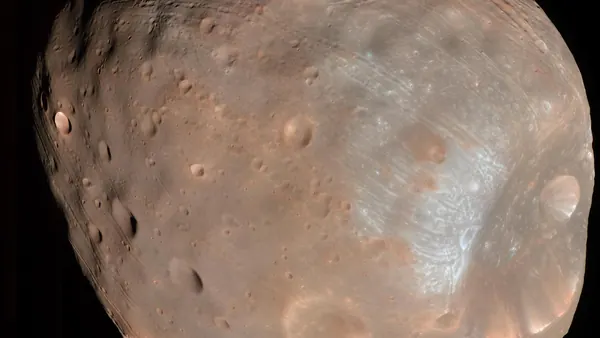
AI jobs at space companies: fewer than you'd think, and almost all senior
We counted every open posting at 11 space companies. About 2.6 percent had AI or machine learning in the title. Where they are and how to get one.
We use these guides to compare training and understand the work. Start with a Class, find its Departments, then compare Academy coursework and real job requirements. External training programs issue their own credentials.
We counted every open posting at 11 space companies. About 2.6 percent had AI or machine learning in the title. Where they are and how to get one.
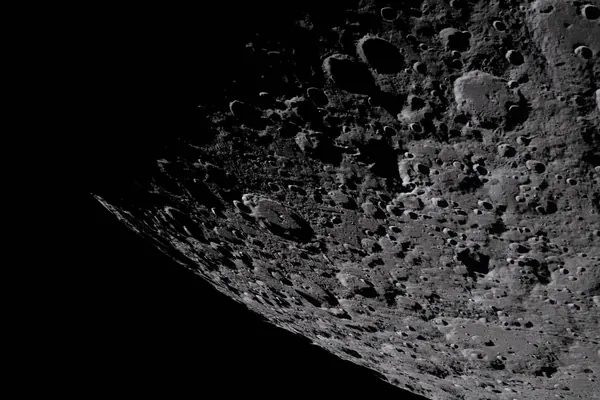
Seventy-seven countries have signed a non-binding document about the Moon. Two sections matter if you plan to dig.
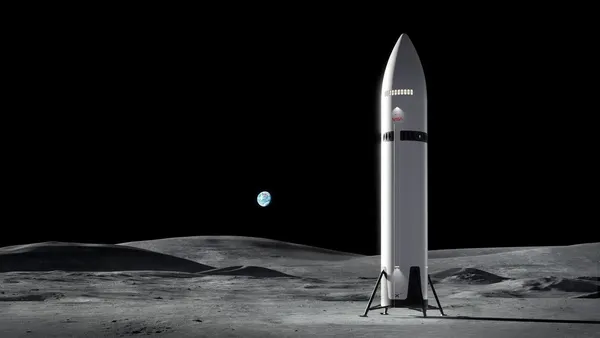
Most of the jobs on a rocket company's board aren't titled 'aerospace engineer.' Which degrees and backgrounds map onto them, and how to prove it.

The best-funded asteroid sample return in history brought back about a quarter pound. Here's what that tells you about metal-asteroid pitches.
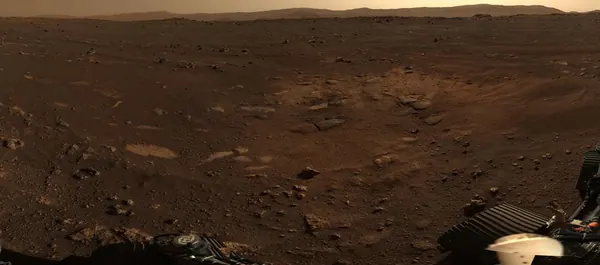
Coming from another industry? Map what you already do onto a job these companies post, close one gap with one project, and skip the second degree unless a rule requires it.

Nobody is hiring 'space miners.' Plenty of companies are hiring the people who will build the machines. What we see on our own jobs board.
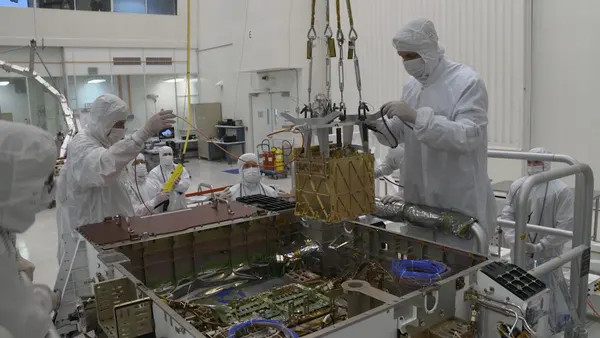
A short list, checked against what the jobs ask for: MIT OpenCourseWare, the official ROS 2 tutorials, NAR rocketry certification and the FAA mechanic route.
Find electrician apprenticeships across the US. We explain paid training, state licensing, national search tools and what to check before applying.
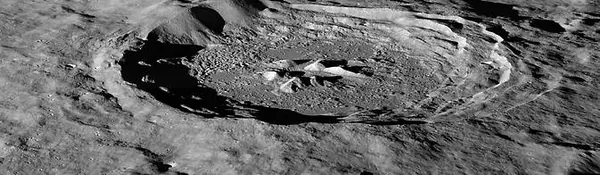
Lunar helium-3 has signed customers now. They want it for quantum fridges, not fusion. Here's what's contracted and what isn't.

Find it, dig it, cook it, use it. The chemistry has been demonstrated. Prospecting is the bottleneck.

Find welding programs nationwide with the AWS directory. Compare hands-on training, certificates, diplomas and total costs before choosing a school.
NASA OSTEM and Pathways, SpaceX and Blue Origin, the Brooke Owens and Patti Grace Smith fellowships, and the Isakowitz scholarship. What's open, what closed, and who qualifies.
In-situ resource utilization, explained from the mass budget up. Start here if you read nothing else.
Why so many aerospace postings ask about citizenship, who actually qualifies, and what non-citizens can still apply for.
What Moon soil is made of, why it's mostly oxygen by weight, and what makes it miserable to handle.
Martian soil is chemically more interesting than the Moon's and also more hostile. Here's what the landers found.
Where the Moon's ice is, how we know it's there, and the one unknown that decides whether it's worth mining.
A side-by-side comparison of the three frontiers on distance, feedstock, demonstrated hardware and who's paying. Our pick, with reasons.
122 grams of oxygen on Mars, read carefully. The scale-up gap from a toaster-sized demo to a propellant plant.
Three project types that hardware recruiters recognize, how to scope each so you actually finish, and what to write up afterward.
The four kinds of robotics jobs that are actually hiring, the free material that teaches the core stack, and how a planetary rover career usually starts on Earth.
What 100-plus tonnes to orbit really buys on the lunar surface, why refilling is the whole game, and the per-kilogram number to watch.
A map of the 32 companies on our jobs board by field and city. Southern California and the Bay Area dominate. Here's the rest.
The 1967 Outer Space Treaty, the 2015 U.S. Commercial Space Launch Competitiveness Act and the Artemis Accords, read in order.
Compare electrical apprenticeships, HVAC and electronics training for US data-center work. Start with the job requirements, not an AI-branded course.
A working map of the companies and agencies with hardware, contracts or customers. If it's only a rendering, it isn't on the list.